Source ABB Robots Status Indicator Module for Monitoring, Control, Maintenance
Find 30 options for the ABB Robots Status Indicator Module to compare specifications and pricing. Buyers can evaluate features like mounting types and functional applications for electronic building blocks and IoT solutions.
Key considerations
Products List
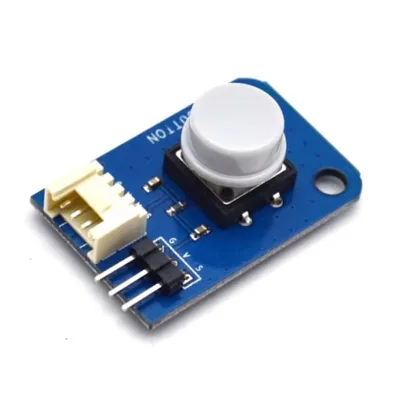
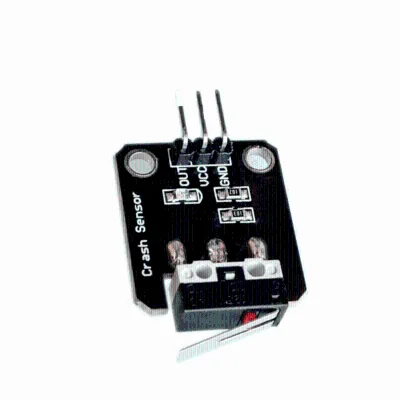
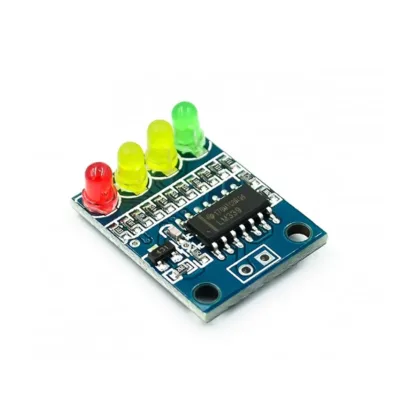
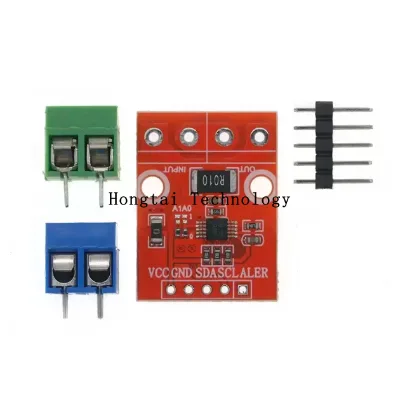
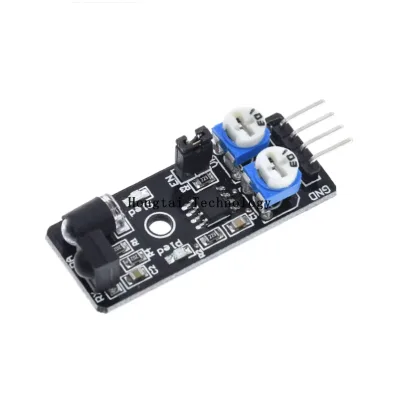
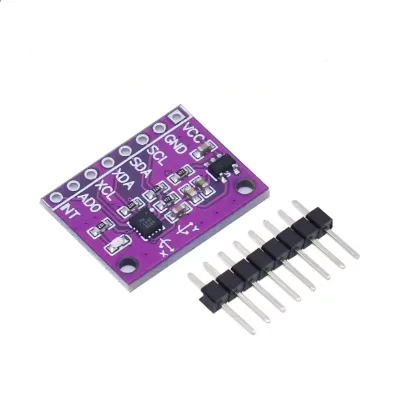
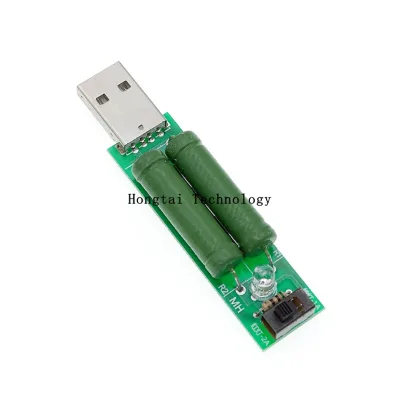
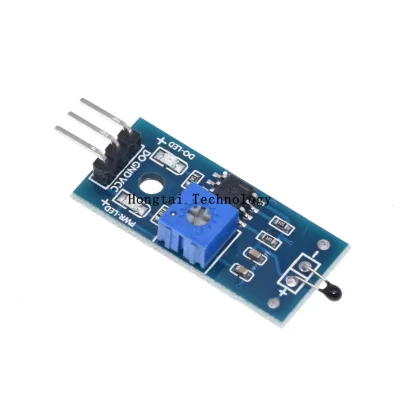
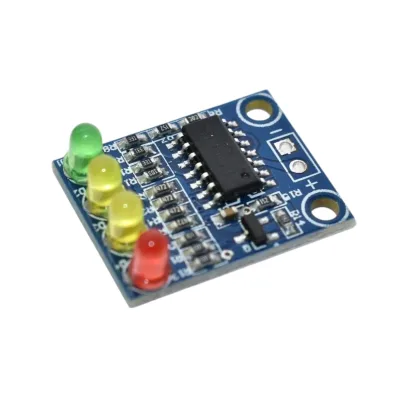
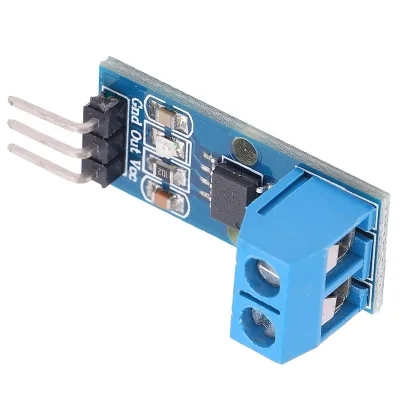
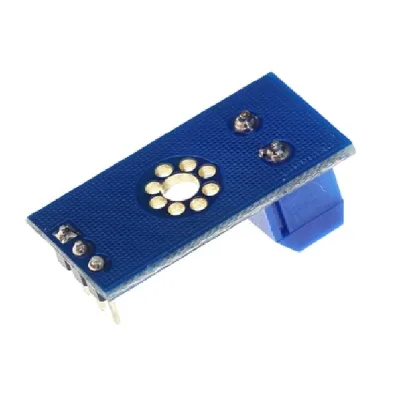
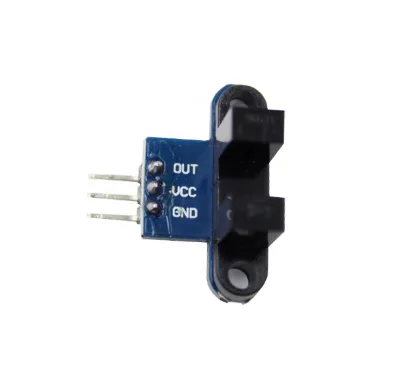
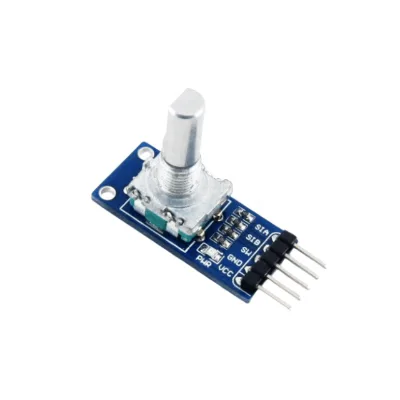
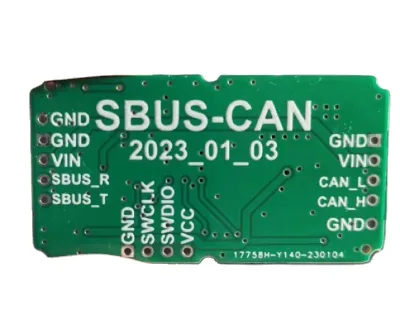
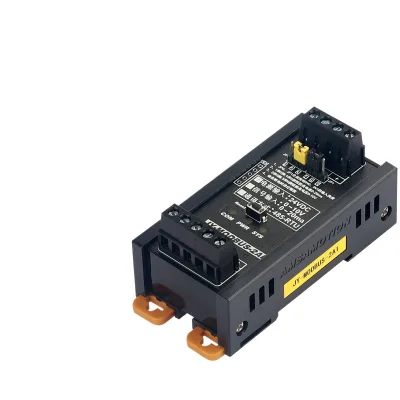
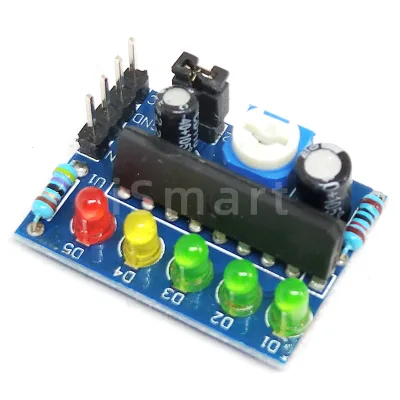
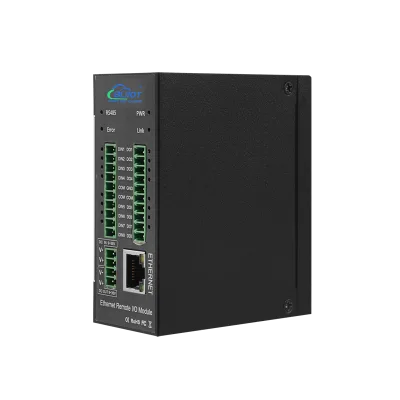
BLIIOT 0-20mA/4-20mA Analog Input Power Status Monitoring Module for Smart Grid
$81.00 - $106.00
MOQ: 1 pieces
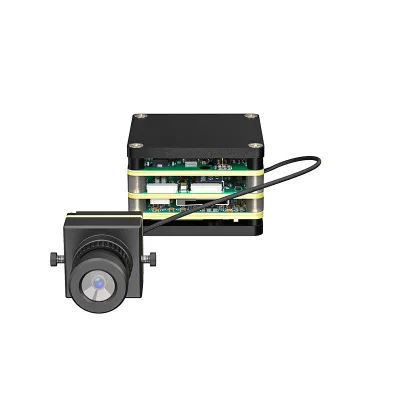


$60.00 - $200.00
MOQ: 1 Pieces
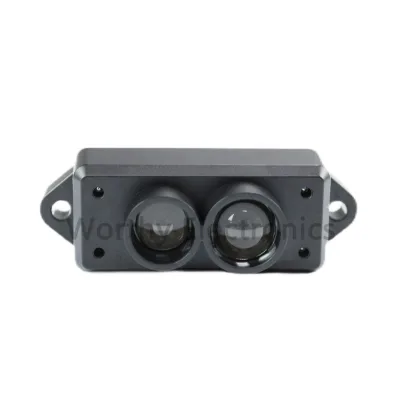




Comprehensive Sourcing Guide
Strategic Sourcing Guide for Industrial Status Indicator Modules
The global industrial automation sector relies heavily on precise status monitoring to maintain operational efficiency and safety. When sourcing components such as the ABB Robots Status Indicator Module, buyers must navigate a complex landscape of technical specifications, supply chain reliability, and compliance requirements. This guide provides a disciplined approach to evaluating potential suppliers and products, ensuring that procurement decisions are grounded in verifiable data rather than marketing assertions. The focus remains on understanding the functional requirements of status indicator systems within robotic environments and identifying the critical factors that influence long-term procurement success.
Technical Specifications and Functional Requirements
Understanding the technical architecture of a status indicator module is the first step in any successful sourcing strategy. In the context of industrial robotics, these modules serve as the visual interface between the machine and the operator. The core functionality often involves detecting specific states, such as collision events or power fluctuations, and translating them into immediate visual or electrical signals.
Buyers should verify that the module's model number aligns with the specific generation of the robotic system it will serve. For instance, documentation often references specific model identifiers like large button sensor or collision module when discussing integration with development boards or electronic building blocks. The mounting type is equally critical; modules designed for Electronic Building Block systems differ significantly from those requiring PCB mounting. A mismatch in mounting standards can lead to installation failures or the need for costly custom adapters.
Furthermore, the electrical characteristics must be scrutinized. The operating voltage range is a primary specification. Data suggests that many compatible modules operate within a DC 3.3V-5V range, which is standard for modern microcontroller-based systems. However, some applications may require higher voltage inputs, such as 12V for battery level indicators. The output type, whether Standard or a specific current sensor configuration like the ACS712, dictates how the module interacts with the robot's control logic. Buyers must ensure the Functional Application matches the intended use, whether it is for Motor Control, IoT Internet of Things connectivity, or general Electronic building block collision sensor detection.
Compliance, Certification, and Safety Standards
In the industrial sector, compliance is not merely a formality but a prerequisite for operational safety and liability protection. While specific certification statuses for every individual module may vary, buyers must demand evidence of adherence to international safety standards. The Place of Origin is a significant factor in this evaluation. Many components are sourced from China, specifically regions like Guangdong, which is a major hub for electronics manufacturing. However, the origin alone does not guarantee quality; the manufacturing process and quality control protocols are what matter.
Buyers should verify if the product meets relevant electrical safety standards and electromagnetic compatibility (EMC) regulations. The Condition of the product is often listed as Original 100% or 100%new, but this claim requires validation through serial number checks or manufacturer verification. For critical applications, the Warranty period, often cited as 365days, serves as a proxy for the manufacturer's confidence in the product's durability.
Additionally, the Product Completion Type is a vital compliance indicator. Modules classified as Component & Part or Module may have different regulatory implications depending on the final assembly. If the module is part of a larger system, such as an Intelligent cart or a Development Board, the entire system's certification may depend on the individual component's compliance. Buyers should request test reports that confirm the module's performance under stress conditions, ensuring it does not interfere with the robot's sensitive electronics.
Cost Drivers and Pricing Structures
The pricing of industrial status indicator modules is influenced by a variety of factors, including the complexity of the internal circuitry, the brand reputation, and the scale of the order. The observed market data indicates a wide price range, with unit costs potentially spanning from 0.1 to 800 USD. This variance is not arbitrary; it reflects differences in component quality, functionality, and the level of integration.
The Minimum Order Quantity (MOQ) is a primary cost driver. While some suppliers offer an MOQ of 1 Pcs for prototyping or small-scale testing, larger production runs often require higher volume commitments, with observed ranges extending up to 1000 units. Understanding the Selling Units is essential for budgeting; some products are sold as Single item units, while others may be packaged in bulk.
Buyers must also consider the Unit Price in the context of the total cost of ownership. A lower upfront cost might be offset by higher lead times or inferior quality, leading to increased downtime. The Competitive nature of the market means that price is often a key differentiator, but it should not be the sole decision factor. The Service level, such as One Stop Bom Service, can add value by streamlining the procurement process and reducing administrative overhead.
Typical Applications and Integration Scenarios
The versatility of status indicator modules allows them to be deployed across a wide spectrum of industrial applications. The Functional Application of these components often extends beyond simple status indication. For example, collision sensor modules are critical in collaborative robotics, where they detect physical contact to prevent damage to the robot or the operator. Similarly, battery level indicator modules like the XD-82B are essential for mobile robots and automated guided vehicles (AGVs) to ensure continuous operation.
Integration with Arduino and other development platforms is a common requirement for prototyping and custom automation solutions. Modules described as For Arduino or compatible with Development Board architectures offer flexibility for engineers designing custom control systems. The Mounting Type must align with the physical constraints of the application; Electronic Building Block systems are popular for rapid prototyping due to their ease of assembly, while PCB mounting is preferred for permanent, high-volume installations.
In the realm of IoT Internet of Things, these modules play a pivotal role in data collection and remote monitoring. By integrating Current Sensor Module technology, such as the INA226 or ACS712, robots can provide real-time feedback on power consumption and electrical health. This data is crucial for predictive maintenance and optimizing energy efficiency in large-scale industrial facilities.
Supplier Evaluation and Verification Protocols
Selecting the right supplier is as important as selecting the right product. The Brand Name associated with the module, such as DH, HTORBGA, or Aismartlink, can provide insights into the supplier's market position and product reliability. However, brand names alone are insufficient; buyers must conduct a thorough due diligence process.
Verification of the Manufacturer Part Number is a critical step. For instance, confirming the presence of specific part numbers like INA226 or QMI8658 ensures that the component matches the technical requirements. Buyers should also check the Quality assurance statements, such as New and Original, and request documentation to support these claims.
The Lead time is another key metric for supplier evaluation. A Lead time of 1-3 Working Days indicates a highly responsive supply chain, which is beneficial for urgent procurement needs. However, buyers must balance speed with reliability; a fast lead time is less valuable if the product quality is inconsistent. The Shipping by options, including DHL, UPS, Fedex, EMS, TNT, and Aramex, should be evaluated based on the buyer's location and the urgency of the delivery.
Quality Control and Testing Procedures
Ensuring the quality of status indicator modules requires a robust quality control (QC) framework. The Condition of the product upon arrival should be verified against the Packing standards, which are often described as New*original Packing. Any signs of tampering or damage should be immediately reported.
Buyers should implement a testing protocol that includes visual inspection, electrical continuity checks, and functional testing. For modules claiming to be Standard output types, verifying the output signal against the expected range is essential. The Functional Application should be tested in a simulated environment to ensure the module responds correctly to inputs such as collision events or battery level changes.
The Warranty period, typically 365days, provides a safety net for defective products. However, proactive quality control is superior to reactive warranty claims. Buyers should request test results or performance claims from the supplier, ensuring that the data is supported by credible testing methodologies. This approach minimizes the risk of receiving substandard components that could compromise the entire robotic system.
Long-Term Procurement and Supply Chain Resilience
Sourcing status indicator modules is not a one-time transaction but a long-term strategic decision. The Payment terms, including options like Paypal, TT, Western Union, and Trade Assurance, offer different levels of security for the buyer. Trade Assurance is particularly valuable as it provides a layer of protection against non-delivery or quality disputes.
Buyers should also consider the Single package size and logistics implications. Large or irregularly shaped packages can increase shipping costs and handling time. The Service offerings, such as One Stop Bom Service, can simplify the procurement process by consolidating multiple components into a single order, reducing the administrative burden and potential for errors.
Finally, maintaining a relationship with reliable suppliers is crucial for long-term success. Suppliers who offer Competitive pricing and Original products are more likely to provide consistent support and updates. By focusing on these strategic factors, buyers can build a resilient supply chain that supports the continuous operation of their industrial robotics systems. The ability to adapt to changing market conditions and technical requirements will define the success of any procurement strategy in this dynamic field.
FAQs
What is the typical lead time for abb robots status indicator modules?
The typical lead time is 1-3 working days for available stock. This duration applies to standard orders from suppliers located in Guangdong, China, ensuring rapid delivery for urgent prototyping needs.
Which mounting types are compatible with these modules?
Compatible mounting types include Electronic Building Block and PCB. Buyers must verify the specific module model, such as the collision module, to ensure it matches the required mounting standard for their robotic system.
Can I find these modules with a 365-day warranty?
Yes, many suppliers offer a 365-day warranty for original components. This warranty applies to products listed as 100% new or original, providing protection against defects during the first year of operation.
What is the minimum order quantity for single items?
The minimum order quantity can be as low as 1 piece for single items. This allows buyers to purchase individual units for testing or small-scale development without committing to large bulk orders immediately.
How do I verify the origin of these electronic components?
Verify the origin by checking the Place of Origin field, which lists China or Guangdong. Ensure the product condition is marked as Original 100% to confirm it comes from the intended manufacturing region.
What voltage range do these modules typically support?
These modules typically support a DC 3.3V-5V operating voltage range. Some specific battery level indicators may require 12V, so buyers must check the functional application details before integration.